
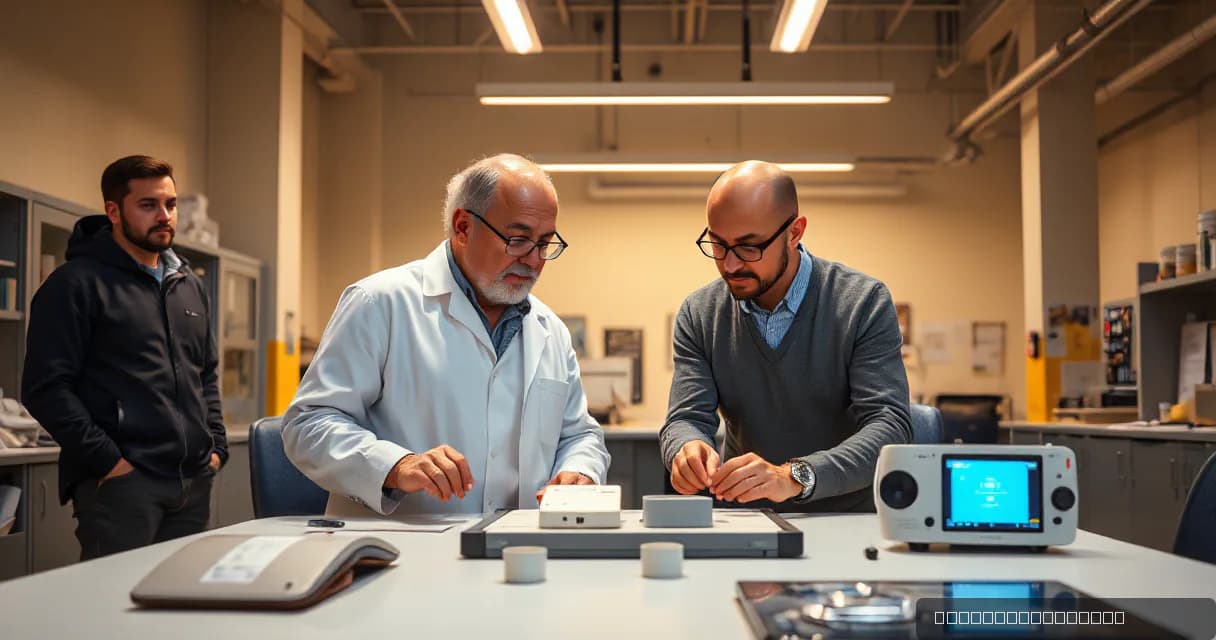
According to a new study by OpenAI, the adoption of artificial intelligence is leading to an expansion in the range of tasks employees perform in the workplace. ChatGPT users are beginning to take on responsibilities that extend beyond their job descriptions, contributing to a blurring of traditional boundaries between professional roles.
This process indicates a fundamental shift in the organization of labor, where technological tools allow a single specialist to cover functions that previously required the involvement of multiple employees or separate departments. The focus is shifting from narrow specialization to a broader set of competencies supported by algorithms.
It is important to note that the presented data is based exclusively on a meta-description of the study from the technology developer itself. Independent confirmation of these findings by third-party sources has not been recorded at this time, which requires caution when interpreting the scale of the changes occurring.
editorial commentary
Why it matters
The most likely consequence will be a revision of job descriptions and compensation systems in favor of multi-functional specialists. The next observable signal will be reports from HR departments of large corporations regarding changes in vacancy structures. A key uncertainty remains the labor market's ability to quickly adapt educational programs to these new hybrid roles.